The Menu Decoder: What 'Aromatherapy', 'Lymphatic' and 'Hot Stone' Actually Mean Before You Book
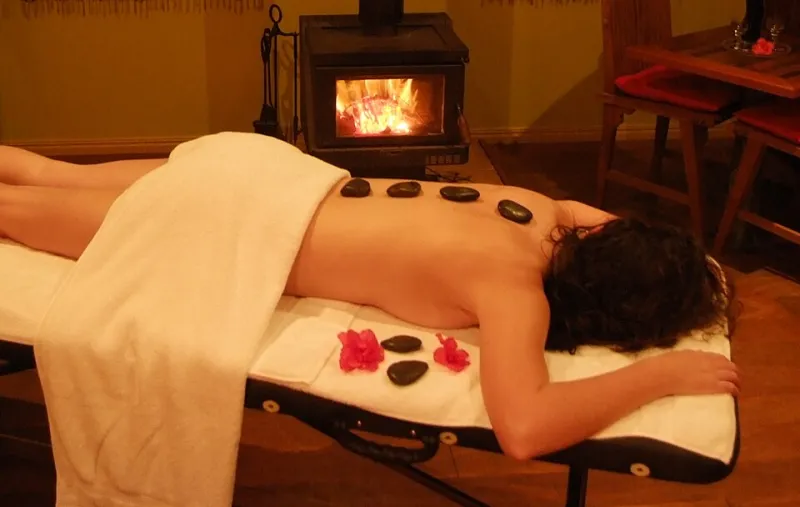
Photo: Daniela, CC BY 2.0, via Wikimedia Commons
Treatment menus can read a bit like a wine list — lots of evocative words, very few clues about what you're actually getting. Aromatherapy, lymphatic drainage, hot stone: they all sound lovely, but if you don't know the difference, you end up closing your eyes and pointing.
There's a better way. Here's what each of these treatments genuinely involves, who they suit best, and what to expect when you climb on the table.
Aromatherapy Massage: The One That Works Through Your Nose
At its heart, an aromatherapy massage is a gentle, flowing massage with oils that have been blended specifically for you. Think lavender for winding down, eucalyptus for clearing the head, or citrus oils for a bit of lift on a grey Tuesday.
The pressure is usually light to medium — this isn't the treatment for digging out that knot behind your shoulder blade. What it does do is engage your nervous system. Scent is wired directly into the parts of your brain that handle emotion and memory, which is why a particular smell can transport you straight back to your nan's house in the time it takes to unscrew a bottle.
Best for: stress, poor sleep, general frazzle. If you've had one of those weeks where the trains were late, your inbox doubled and someone microwaved fish in the office kitchen, this is your treatment.
Expect on the table: a consultation about how you're feeling, a choice of oil blends, and long, unhurried strokes. You'll likely leave smelling faintly of a very expensive garden.
Lymphatic Drainage: The Quiet Overachiever
This one sounds clinical, and in fairness, it is the most technical of the three. Your lymphatic system is the body's drainage network — it moves fluid, filters waste and supports your immune system. Unlike your blood, it has no pump; it relies on muscle movement and, well, someone gently helping it along.
That's what a lymphatic massage is: slow, rhythmic, feather-light strokes that follow the direction of lymph flow. It often feels almost too gentle if you're expecting firm pressure — some first-timers wonder if anything's happening. It is. The results tend to show up afterwards: reduced puffiness, less heaviness in the legs, and a general feeling of having been wrung out in a good way.
Best for: fluid retention, post-travel sluggishness, that puffy feeling after long flights or too many evenings on the sofa. It's also a common choice during recovery from certain medical procedures, though always check with your GP or specialist first.
Expect on the table: very light pressure, lots of work around the neck, collarbones and legs, and a therapist who occasionally pauses in odd places. There's a method to it. Trust the method.
Hot Stone Massage: Heat as a Shortcut
The premise is simple and rather brilliant: warmed basalt stones (they hold heat beautifully) are placed on key points of the body and used as extensions of the therapist's hands. The heat sinks into muscle tissue, encouraging it to relax — which means the therapist can work deeper without it feeling like a fight.
If you've ever draped a hot water bottle across a stiff lower back and thought ahh, that's the stuff, this is that idea taken seriously. The warmth does much of the persuading, so the overall experience feels less like work and more like being slowly melted.
Best for: chronically tight muscles, cold hands and feet, winter in general. Honestly, there is no better time for hot stones than a dark, drizzly November evening in Britain.
Expect on the table: warmth spreading through your back, the occasional delightful stone placed between your toes, and a strong urge to fall asleep. Most people do, at least briefly.
So Which One Is Yours?
A quick cheat sheet:
- Stressed and can't sleep? Aromatherapy.
- Puffy, heavy, or fresh off a long-haul flight? Lymphatic drainage.
- Knotted up and permanently cold? Hot stone.
And if you're still torn — just ask. A good therapist would far rather match you to the right treatment than have you book the wrong one and spend an hour wishing you'd picked differently. Tell them what's bothering you, and let the menu do the rest.